


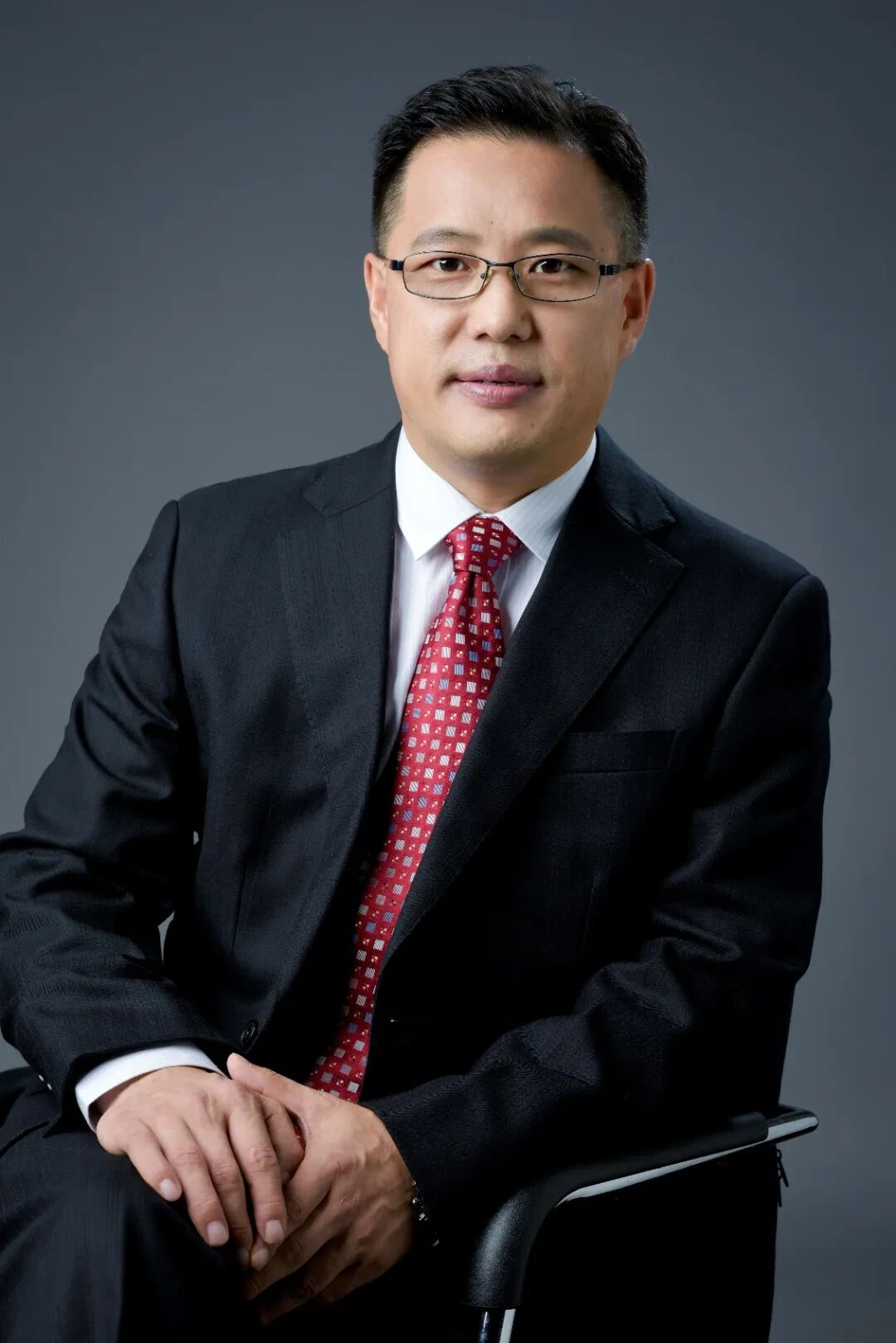
Rooted in Ningbo: Witnessing Scientific‑Technological Changes for Nearly Two Decades
In 2002, after earning his doctorate from the Institute of Physics, Chinese Academy of Sciences, Li Runwei was funded by the Japan Society for the Promotion of Science (JSPS) to work as a JSPS Research Fellow at the Institute of Scientific and Industrial Research, Osaka University. Later, with funding from the Alexander von Humboldt Foundation of Germany, he became a Humboldt Fellow at the University of Kaiserslautern‑Landau, Germany.
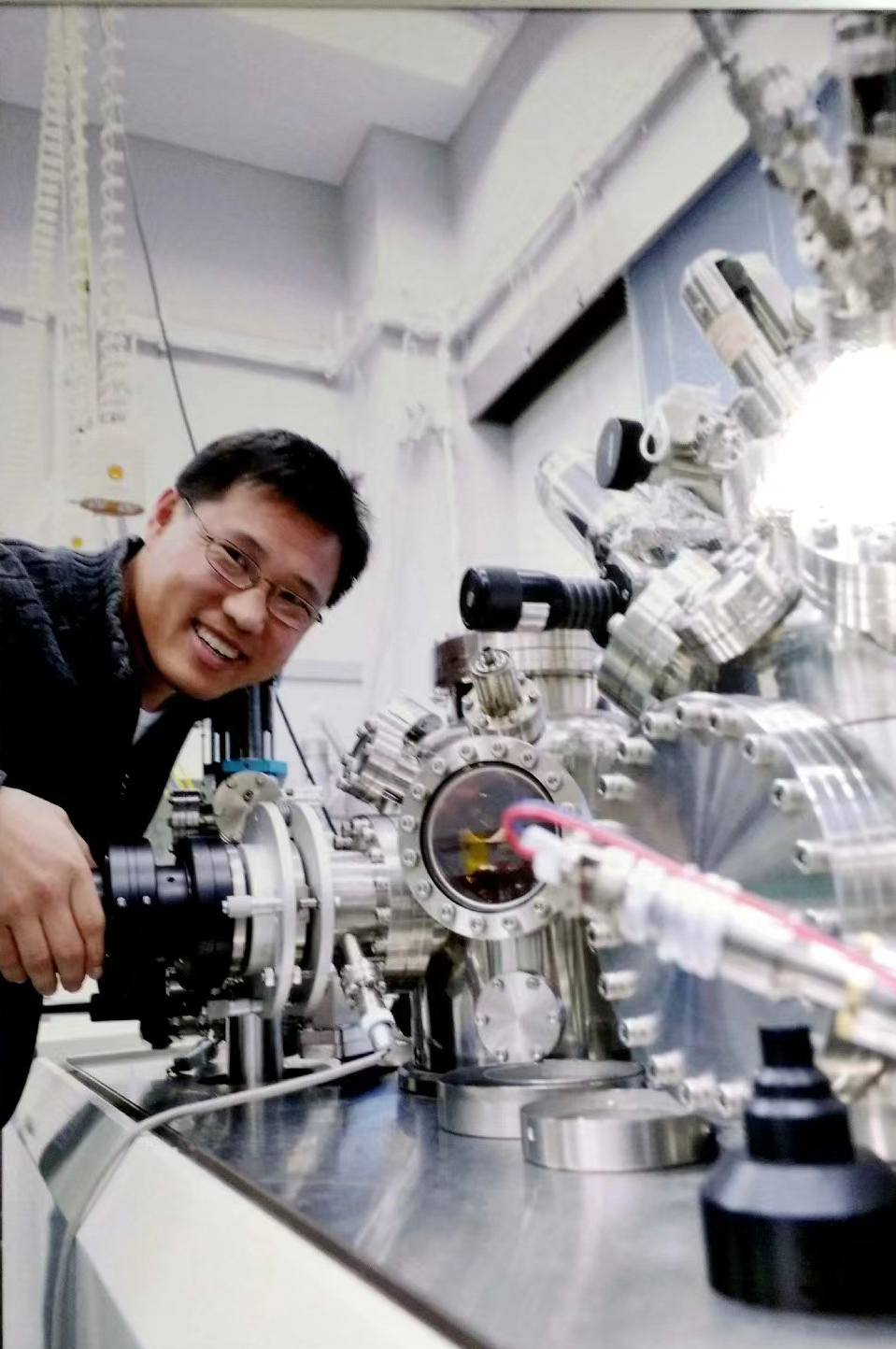
In 2005, he joined the International Center for Young Scientists (ICYS), National Institute for Materials Science (NIMS) in Japan as a Senior Researcher. When he decided to return to China in 2008, Ningbo became his first stop back home.
Zhenhai District of Ningbo, where Eastern Institute of Technology (EIT) is located, is renowned as “Hometown of Academicians and Cradle of the Ningbo Business Gang”. Today it stands as a cradle for high‑tech innovation in Ningbo.
Seventeen years ago, Li Runwei started from scratch. He set up the research team for Flexible Magnetoelectric Functional Materials and Devices, and led the establishment of the first Key Laboratory of the Chinese Academy of Sciences in Zhejiang Province — the Key Laboratory of Magnetic Materials and Devices.
Over these 17 years, Li Runwei has not only observed the transformation of Zhenhai, but also witnessed the rapid growth of scientific and technological innovation across Ningbo. “Ningbo is an economically prosperous city with a long history, profound cultural heritage and an inclusive, open mindset, making it ideal for long‑term career development. In recent years, Ningbo has offered strong support for basic research and researchers engaged in basic research. This support has given rise to nationally and even globally competitive research outcomes in magnetic materials, flexible electronics, sensors, semiconductors and other fields, and fostered a large number of “champion enterprises in individual market segments” and “specialized, sophisticated, unique and innovative enterprises”.”
Focusing on Industrial Needs and Advancing Applied Basic Research on Materials
Runwei Li’s research centers on flexible/elastic functional materials and devices. His work covers design and fabrication of flexible/elastic functional materials, research on flexible/elastic magnetoelectric sensitive materials and sensing technologies, as well as studies on intelligent biomimetic materials and functionally integrated devices.
“Our field sits at the intersection of cutting‑edge academia and industrial frontiers. The top priority is to solve real‑world problems in industrial development. We must concentrate on applied basic research, translate scientific achievements into marketable products, and deliver tangible industrial value.”
Flexible electronic technologies break the physical constraints imposed by conventional rigid information devices. Boasting unique flexibility, portability and low‑cost manufacturing, they deliver transformative solutions for deep human‑machine interaction, and show broad application prospects in strategic frontier sectors such as biomimetic robotics, artificial intelligence and smart healthcare. Li Runwei’s team focuses on elastic stress‑strain sensors, tactile sensors, brain‑inspired multi‑functional integrated chips and related areas. In‑depth integration of these state‑of‑the‑art technologies with artificial intelligence and robotics will power human‑machine interaction toward higher intelligence, laying a material foundation for new‑generation intelligent systems.
With decades of dedicated research, Li Runwei has yielded fruitful results. He has undertaken research topics under China’s National Basic Research Program (973 Program), projects funded by the National Science Fund for Distinguished Young Scholars, Key Program projects of the National Natural Science Foundation of China, the National Major Scientific Research Instrument Development Project, and Integrated Projects of Joint Funds, among others. He has received many honors including Zhejiang Provincial Natural Science Award, Zhejiang Provincial Science and Technology Progress Award, Ningbo Special Award for Scientific and Technological Innovation, and Ningbo Science and Technology Progress Award.
Joining Eastern Institute of Technology and Participating in Building a New‑Model Research‑Oriented University
On joining Eastern Institute of Technology — a high‑starting‑point, compact, research‑oriented and international new‑model university, Li Runwei commented: “What attracts me most here is not merely its novelty, but its potential to break away from conventional systems and explore reforms in higher education.”
The university advocates a research model that closely integrates interdisciplinary exploration, free inquiry and industrial demands. This aligns perfectly with Li Runwei’s long‑standing philosophy of “application‑driven basic research”. “It is truly inspiring that we come together for a shared goal: to take part in building a brand‑new university.” Furthermore, the university grants research teams substantial autonomy in talent recruitment, resource allocation and achievement commercialization, cultivating a flexible and efficient innovation ecosystem. “As a major hub for new‑material industries within the Yangtze River Delta, Ningbo achieves integration of industrial and innovation chains and holds enormous development potential. Through bringing in world‑top talents and enabling their deep integration with local industries, the discipline of materials science at Eastern Institute of Technology will surely become a key engine driving regional scientific‑technological innovation.”